Arts Meets Science
We create tailored digital solutions that elevate your online presence and drive measurable growth. Partner with us to unlock exceptional work that delivers real value to your business.







Process
Creativity
We recognize that creativity is essential for achieving outstanding marketing results.

Technology
We leverage cutting-edge technologies and advanced tools to craft tailored solutions that align with the specific requirements of our clients.
Analysis
We use a data-driven approach to develop effective marketing strategies that deliver measurable results
Business
We understand that every business is unique, and we work closely with our clients to develop customised solutions.
Services
Web and Mobile Development
1. AI-Native & Agentic Development
Instead of just adding a "chatbot" on top of an app, developers now build AI-native systems. This includes creating Autonomous AI Agents that can perform tasks within the app (like booking a flight or organizing data) without step-by-step user input.
• Key Focus: LLM integration, agentic workflows, and vector database management.
2. Edge AI & On-Device Machine Learning
To improve privacy and reduce latency, modern apps process data directly on the user's device rather than sending everything to the cloud. This is essential for real-time features like face filters,instant language translation, or health monitoring.
• Key Tech: TensorFlow Lite, CoreML, and Edge computing.
3. Progressive Web Apps (PWA) & "Super Apps"
The line between web and mobile is blurring. PWAs allow users to install a website as an app with offline capabilities. Simultaneously, the trend of Super Apps (one app containing many "mini-apps"for payments, shopping, and social) is becoming a standard for enterprise ecosystems.
• Key Focus: Offline sync, push notifications, and unified ecosystem architecture.
4. Spatial Computing & WebXR
With the rise of mixed-reality hardware (like Apple Vision Pro and Meta Quest), developers are offering Spatial UI/UX services. This involves building immersive 3D interfaces for web andmobile that interact with the physical environment.
• Key Focus: AR/VR integration, 3D modeling for web, and gesture-based navigation.
5. Serverless & Cloud-to-Edge Architecture
Modern backends are moving away from traditional servers to Serverless models (where you onlypay for the exact compute time used). Combining this with Edge Computing ensures that the"logic" of the app runs as close to the physical user as possible, making apps feel instantaneous.
• Key Tech: AWS Lambda, Cloudflare Workers, and Vercel Edge.
6. Zero-Trust & Cybersecurity-First Development
Security is no longer a "check at the end"; it’s built into the code (DevSecOps). Zero-Trustarchitecture means the app assumes every request is a threat until verified, often using biometric authentication or blockchain-based identity.
• Key Focus: Multi-factor authentication (MFA), end-to-end encryption, and automatedvulnerability scanning.
7. Low-Code / No-Code (LCNC) Integration
Enterprises now use LCNC platforms to build 75% of new internal applications. Modern development agencies offer "LCNC Consulting" to help businesses build MVPs (Minimum ViableProducts) in weeks instead of months, reserving custom code for the most complex features.
• Key Tech: FlutterFlow, Bubble, and Microsoft Power Apps.
8. Web3 & Decentralized Services (dApps)
Beyond crypto, businesses are using blockchain for decentralized identity, secure supply chain tracking, and smart contracts. Modern sub-services include integrating wallets directly into mobileapps or building peer-to-peer marketplaces.
• Key Focus: Smart contract audits, wallet integration (Web3.js/Ethers.js), and IPFS storage.
UX UI Design
1. AI-Native & Agentic Development
Instead of just adding a "chatbot" on top of an app, developers now build AI-native systems. This includes creating Autonomous AI Agents that can perform tasks within the app (like booking a flight or organizing data) without step-by-step user input.
• Key Focus: LLM integration, agentic workflows, and vector database management.
2. Edge AI & On-Device Machine Learning
To improve privacy and reduce latency, modern apps process data directly on the user's device rather than sending everything to the cloud. This is essential for real-time features like face filters,instant language translation, or health monitoring.
• Key Tech: TensorFlow Lite, CoreML, and Edge computing.
3. Progressive Web Apps (PWA) & "Super Apps"
The line between web and mobile is blurring. PWAs allow users to install a website as an app with offline capabilities. Simultaneously, the trend of Super Apps (one app containing many "mini-apps"for payments, shopping, and social) is becoming a standard for enterprise ecosystems.
• Key Focus: Offline sync, push notifications, and unified ecosystem architecture.
4. Spatial Computing & WebXR
With the rise of mixed-reality hardware (like Apple Vision Pro and Meta Quest), developers are offering Spatial UI/UX services. This involves building immersive 3D interfaces for web andmobile that interact with the physical environment.
• Key Focus: AR/VR integration, 3D modeling for web, and gesture-based navigation.
5. Serverless & Cloud-to-Edge Architecture
Modern backends are moving away from traditional servers to Serverless models (where you onlypay for the exact compute time used). Combining this with Edge Computing ensures that the"logic" of the app runs as close to the physical user as possible, making apps feel instantaneous.
• Key Tech: AWS Lambda, Cloudflare Workers, and Vercel Edge.
6. Zero-Trust & Cybersecurity-First Development
Security is no longer a "check at the end"; it’s built into the code (DevSecOps). Zero-Trustarchitecture means the app assumes every request is a threat until verified, often using biometric authentication or blockchain-based identity.
• Key Focus: Multi-factor authentication (MFA), end-to-end encryption, and automatedvulnerability scanning.
7. Low-Code / No-Code (LCNC) Integration
Enterprises now use LCNC platforms to build 75% of new internal applications. Modern development agencies offer "LCNC Consulting" to help businesses build MVPs (Minimum ViableProducts) in weeks instead of months, reserving custom code for the most complex features.
• Key Tech: FlutterFlow, Bubble, and Microsoft Power Apps.
8. Web3 & Decentralized Services (dApps)
Beyond crypto, businesses are using blockchain for decentralized identity, secure supply chain tracking, and smart contracts. Modern sub-services include integrating wallets directly into mobileapps or building peer-to-peer marketplaces.
• Key Focus: Smart contract audits, wallet integration (Web3.js/Ethers.js), and IPFS storage.
E-Commerce
1. Agentic Commerce & ACO (Agentic CommerceOptimization)
We are no longer just designing for humans. AI Agents now research, negotiate, and purchase onbehalf of customers. Developers and marketers now offer ACO optimizing product data(machine-readable specs, API accessibility) so these AI "personal shoppers" can find and buy yourproducts.
• Focus: Machine-readable catalogs, API-first product discovery, and autonomous purchasingworkflows.
2. Composable Commerce (MACH Architecture)
Moving beyond "Headless," Composable Commerce allows brands to "compose" their tech stackusing best-of-breed microservices. Instead of one giant platform, you plug in a specialized servicefor payments, another for search, and another for inventory, all connected via APIs.
• Key Tech: Microservices, API-first, Cloud-native, and Headless (MACH).
3. Spatial Commerce & Virtual Try-Ons (VTO)
With high-fidelity AR, "seeing" a product isn't enough. Spatial commerce allows users to virtuallyplace furniture in their room with perfect lighting or "wear" clothes using highly accurate body-tracking. This is now a standard service for high-end fashion and home decor.
• Focus: WebXR, 3D product modeling, and real-time AR "try-on" integration.
4. Social Commerce & Live Shopping
The "scroll" and the "cart" are now one. This service involves building seamless in-app checkout experiences within platforms like TikTok, Instagram, and YouTube. It also includes setting up Live tream Shopping infrastructure where creators can sell in real-time with instant "one-click"buying.
• Focus: TikTok Shop integration, live-stream interactive overlays, and creator-ledstorefronts.
5. Hyper-Personalization (Storefront of One)
Using "Zero-Party Data" (data users voluntarily share), e-commerce sites now transform in real-time. This sub-service builds dynamic store fronts where the layout, product ranking, and even thepricing change based on the individual's current intent and past behavior.
• Focus: Predictive AI, dynamic pricing engines, and behavior-based UI adaptation.
6. Unified Commerce Operations
The "Omnichannel" buzzword has evolved into Unified Commerce. This service focuses oncreating a single "source of truth" for the backend. Whether a customer buys in-store, on an app, orthrough a smart speaker, the inventory, loyalty points, and customer profile are updated instantlyacross all points.
• Focus: POS-to-Cloud synchronization, real-time global inventory visibility, and cross-channel returns management.
7. Conversational & Voice Commerce
Shopping via natural language is a primary channel. This involves building sophisticated AIShopping Assistants that can handle complex queries ("Find me a sustainable blue dress for asummer wedding under $200") and complete the checkout through voice or chat.
• Focus: Natural Language Processing (NLP), voice-search SEO, and WhatsApp/Messengercommerce.
8. Circular & Sustainable Retail (Re-commerce)
Consumers now demand "Ethical Branding." Modern e-commerce services include building Resaleand Trade-in modules directly into the brand's site, allowing users to sell back used items or trackthe carbon footprint of their shipping.
• Focus: Reverse logistics for returns/resale, carbon-neutral shipping integrations, andtransparency dashboards.
Digital Marketing
1. Answer Engine Optimization (AEO)
With users increasingly getting direct answers from AI (like Gemini,SearchGPT, or Perplexity), traditional SEO is evolving into AEO.This service focuses on structuring your content so it is easily"digestible" for AI models to cite as the definitive source.
• Focus: Schema markup, FAQ-based content, and high-authority "snippet" writing.
2. Predictive Intent Marketing
Instead of reacting to a customer's click, agencies now usePredictive Analytics to anticipate what a customer will want next. This sub-service involves building automated flows that trigger adsor emails based on behavioral patterns before the user even startsa new search.
• Focus: Lead scoring, churn prediction, and proactive "next-best-offer" automation.
3. First-Party Data Strategy & Privacy-Ops
In a world without third-party cookies, "owning" your audience isthe only way to survive. This service helps brands move away from Facebook/Google tracking dependency and build their own data ecosystems through newsletters, loyalty apps, and "Zero-Party"data collection (quizzes/polls).
• Focus: CRM integration, consent-based marketing, and dataclean rooms.
4. Agentic Social Media Management
Social media is moving beyond scheduled posts. AgenticMarketing involves deploying AI agents that can monitor trends inreal-time and automatically generate or adjust content, reply tocomments with brand-specific knowledge, and even negotiate with micro-influencers.
• Focus: Real-time trend hijacking, automated communitymanagement, and AI-assisted content ideation.
5. Immersive & Spatial Advertising
As AR glasses and headsets go mainstream, "banners" are becoming Immersive Experiences. Brands are now paying for "Virtual Product Placements" within spatial environments or AR adsthat allow users to interact with a 3D version of a product directlyon their social feed.
• Focus: WebXR ad units, 3D brand assets, and interactive ARfilters.
6. Hyper-Local GEO (Generative Engine Optimization)
For service-based businesses, being "near me" isn't enough; you need to be the "best recommended." This service focuses on Local GEO, ensuring that when a user asks their AI assistant forthe "best plumber nearby," your business’s reviews, local citations,and community signals make you the top choice.
• Focus: Google Business Profile mastery, local reviewsyndication, and geo-targeted AI summaries.
7. Conversational Commerce & SMS/RCS Marketing
Email open rates are falling, but RCS (Rich CommunicationServices) and WhatsApp are booming. This sub-service focuseson building "App-like" experiences inside text messages, allowing users to browse products, get support, and pay all within a singlechat thread.
• Focus: Two-way automated messaging, RCS branding, andconversational sales scripts.
8. Ethical AI & Synthetic Media Auditing
With the flood of AI-generated content, "Trust" is the new currency. This niche service involves Authenticity Auditing ensuring that abrand's AI-generated content is clearly labeled, bias-free, andethically sourced to avoid legal issues and maintain consumercredibility.
• Focus: AI transparency labeling, deepfake protection, andbrand-voice alignment for AI.
Software Development
1. Platform Engineering & IDP Setup
Internal Developer Platforms (IDPs) are the new standard for scaling. Instead of developers setting up their own infrastructure, companies now provide "self-service" platforms that automate environments, deployment, and monitoring.
• Focus: Standardizing workflows, reducing "cognitive load" for devs, and Kubernetes-basedautomation.
2. Multi-Agent System (MAS) Orchestration
The next step beyond a single AI chatbot is an ecosystem of specialized AI agents that worktogether (e.g., one agent writes code, another tests it, and a third deploys it). Developers now specialize in building the "manager" software that coordinates these agents.
• Focus: Agent communication protocols, task decomposition, and human-in-the-loopguardrails.
3. Software Supply Chain Security (DevSecOps 2.0)
With the rise of automated attacks, checking your own code isn't enough. This service focuses on securing the entire pipeline, including third-party libraries, CI/CD tools, and build artifacts.
• Key Tech: SBOM (Software Bill of Materials), artifact signing, and automated vulnerabilitypatching.
4. Legacy Modernization & AI-Assisted Refactoring
Thousands of companies are stuck with "spaghetti code" from the 2010s. Modern sub-services use AI to analyze old monolithic systems and automatically refactor them into clean, cloud-native microservices.
• Focus: Technical debt reduction, COBOL-to-Java/Python migration, and API wrapping forlegacy cores.
5. FinOps & GreenOps (Cost & Carbon Optimization)
As cloud bills and energy consumption skyrocket due to AI workloads, companies now hiredevelopers specifically to optimize for efficiency. This involves writing code that uses lessprocessing power and selecting "green" server regions.
• Focus: Real-time cloud spend monitoring, energy-efficient algorithms, and carbon-footprintreporting.
6. Confidential Computing & Privacy-Preserving Dev
Standard encryption protects data at rest, but Confidential Computing protects data while it isbeing processed. This is essential for healthcare and finance apps that use sensitive data for AItraining.
• Key Tech: Trusted Execution Environments (TEEs), Zero-Knowledge Proofs, andhomomorphic encryption.
7. Telemetry & Observability Engineering
Modern systems are too complex for simple "logs." This service focuses on building deep Observability, where the software automatically predicts failures based on patterns in traces and metrics before they happen.
• Focus: OpenTelemetry standards, AI-driven root cause analysis, and "self-healing" systems.
8. IoT & Edge Engineering (Physical Automation)
Software is moving into the physical world. This sub-service involves building the firmware and logic for robots, smart factories, and autonomous vehicles that need to make split-second decisions without waiting for the cloud.
• Focus: 5G-powered low latency, sensor fusion, and on-device "Edge AI" models.
Branding
1. Kinetic & Motion-First Identity
In a world of vertical video and digital interfaces, static logos are becoming secondary. Brands now lead with Motion DNA defining how a brand "moves" before how it "looks." This includesanimated logo stingers, kinetic typography, and UI transition physics.
• Focus: Animated brand assets, motion guidelines, and video-native typography.
2. Sonic & Multi-Sensory Branding
As we interact more with voice assistants (Gemini, Siri) and screenless devices, "what a brandsounds like" is as important as its logo. This service involves creating unique Audio Mnemonics, brand voices for AI agents, and even tactile/haptic feedback patterns for mobile apps.
• Focus: Sonic logos, custom AI voice personas, and haptic brand signatures.
3. Dynamic & Generative Brand Systems
Traditional brand guides are being replaced by Generative Systems. Agencies now build "LogoEngines" where the brand's visual elements (colors, shapes, patterns) automatically shift based on data, user sentiment, or the platform they are appearing on.
• Focus: Algorithmic patterns, data-responsive color palettes, and automated asset scaling.
4. Spatial Branding (AR/VR Environments)
With the rise of spatial computing (Vision Pro, Meta Quest), brands need to exist in 3D. This sub-service focuses on how a brand's materials, lighting, and "gravity" feel in an augmented or virtual space.
• Focus: 3D brand environments, AR packaging overlays, and spatial UI components.
5. Ethical & "Human-Made" Verification
As AI-generated "slop" floods the internet, there is a premium on Human-Centric Branding. This service focuses on "Radical Transparency," certifying that brand stories are authentic and using "Human-Made" badges to build trust with skeptical audiences.
• Focus: Authenticity auditing, ethical supply chain storytelling, and "Trust-First" messaging.
6. AI Personality & Agentic Tone of Voice
Companies now deploy AI Agents to talk to customers. A modern branding service is defining the Agentic Persona the specific vocabulary, humor, and constraints that an AI must follow to ensureit sounds like the brand, not a generic LLM.
• Focus: LLM prompt engineering for brand voice, conversational guidelines, and AIempathy mapping.
7. Circular & Sustainable Brand Strategy
Modern brands must prove they are part of the Circular Economy. This involves designing "Sustainable Identity" where packaging is optimized for reuse, and the brand’s digital footprint (website energy usage) is part of its eco-friendly promise.
• Focus: Plastic-free packaging design, "Green Web" branding, and carbon-neutral identityaudits.
8. Community-First & "Co-Created" Identity
Brands are moving from "top-down" to "bottom-up." This sub-service involves building frameworks where the community can co-create the brand (e.g., customizable merch, DAO-led design choices, or creator-remixable assets).
• Focus: Decentralized brand kits, community governance models, and remixable assetlibraries.
Creative Content
1. Short-Form Video Systems (UGC-Style)
In the age of TikTok and Reels, high-budget "commercials" are being replaced by high-volume social-first video. This service focuses on creating "authentic" content often using creator networks or AI avatars that feels like a peer-to-peer recommendation rather than an ad.
• Focus: Rapid-turnaround editing, trend-jacking, and "hook" testing for maximum retention.
2. Generative Visual Storytelling
Instead of traditional photoshoots, brands now use Generative AI workflows (using models like Nano Banana 2) to create infinite variations of brand imagery. This allows for "Hyper-Local" content where the background of an ad changes based on the viewer’s actual city.
• Focus: AI prompt engineering, consistent brand-style training, and automated image-to-video conversion.
3. Answer-First "Micro-Content"
With the rise of Answer Engines (AEO), long blog posts are being deconstructed into structured micro-content. This service involves creating "cite-able" snippets, interactive FAQs, and data-rich infographics that AI assistants can easily scrape and present to users.
• Focus: Schema-optimized copy, "zero-click" summaries, and structured data visualization.
4. Spatial & Immersive 3D Content
Content is stepping off the screen. Creative agencies now offer 3D Asset Creation for the "Spatial Web." This includes everything from interactive 3D product models to immersive "brand worlds" that users can walk through using AR glasses.
• Focus: WebXR content, 3D environment design, and AR-ready product cataloging.
5. AI-Voice & Podcast Synthesis
Audio is the fastest-growing content medium. This sub-service focuses on creating Brand Voice Clones for automated podcasting, audio-articles, and real-time voice response systems, ensuring the brand sounds the same across every "talkable" interface.
• Focus: Synthetic voice design, automated script-to-audio pipelines, and sonic storytelling.
6. Interactive & Gamified Content
Static whitepapers are dead. Modern content is participatory. This service involves building "calculators," decision trees, and mini-games that gather user data (zero-party data) while providing immediate, personalized value.
• Focus: No-code interactive builds, personalized PDF generation, and "quiz-to-commerce"funnels.
7. Real-Time "Cultural" Newsrooms
To stay relevant, brands need to react to culture in hours, not weeks. Agencies now provide Reactive Newsroom services using AI monitoring to identify trending topics and instantly deploying creative assets that join the conversation.
• Focus: Social listening, rapid-response copywriting, and meme-literate design.
8. Authenticity & "Human-Verified" Content
As the web becomes flooded with generic AI content, a new niche has emerged: Verified Human Creative. This service focuses on high-craft, "messy," and tactile content (hand-drawn illustrations, raw film, deep investigative journalism) that carries a "Human-Made" trust signal.
• Focus: Documentary-style storytelling, analog-to-digital creative, and "Proof of Human"brand audits.
Ai
1. Agentic Workflow Development (AI Agents)
Unlike a standard chatbot that just talks, an AI Agent can act. This service involves building autonomous systems that can use your company’s tools like sending emails, updating a CRM, or managing a project board to complete a goal from start to finish.
• Focus: Multi-agent orchestration, tool-use (Function Calling), and autonomous planning.
2. Answer Engine Optimization (AEO) & GEO
With people using AI engines (Gemini, SearchGPT, Perplexity) instead of traditional search, businesses need to be "found" by these models. This service ensures your brand’s data is structured so that AI models cite you as the authoritative answer for user queries.
• Focus: Schema markup for LLMs, brand entity management, and citation-focused content.
3. Retrieval-Augmented Generation (RAG) & Vector Ops
Generic AI knows "the world," but it doesn't know your company. This sub-service involves building secure private databases (Vector DBs) that allow AI to answer questions based specifically on your internal documents, manuals, and private data without leaking them.
• Key Tech: Pinecone, Weaviate, and semantic search integration.
4. Custom Model Fine-Tuning & Small Language Models (SLMs)
Not every task needs a massive, expensive model. Agencies now specialize in Fine-Tuning smaller, faster models for specific niches (like legal, medical, or coding). This reduces costs and makes the AI much more accurate for that specific industry.
• Focus: Domain-specific training, parameter-efficient fine-tuning (PEFT/LoRA), and costoptimization.
5. AI Governance, Ethics & Bias Auditing
As AI takes over decision-making (hiring, lending, insurance), companies are legally required to prove their AI isn't biased. This niche service provides "AI Audits" to ensure models are transparent, ethical, and compliant with global regulations.
• Focus: Hallucination reduction, bias detection, and "Explainable AI" (XAI).
6. Multimodal Content Pipelines
AI is no longer just text; it’s video, voice, and 3D. This service builds automated pipelines where one piece of content (like a blog) is instantly turned into a high-quality video with a synthetic voice and custom 3D visuals, all maintaining a consistent brand style.
• Focus: Video generation (Veo), voice cloning (Lyria), and automated asset repurposing.
7. On-Device & Edge AI Implementation
For privacy and speed, many companies want AI to run directly on a user's phone or a local server rather than in the cloud. This service involves "compressing" models to run on hardware without losing intelligence.
• Focus: Local LLMs, privacy-first AI, and low-latency edge computing.
8. AI-Native "Consultant in a Box" (Decision Intelligence)
This involves building AI systems that analyze a company's raw financial and operational data to suggest high-level strategy. It’s moving from "Data Analytics" (what happened) to Decision Intelligence (what should we do next to grow?).
Alexander Blix
We significantly improved Alexander Blix’s online visibility, increasing their reach by over 200%. Through strategic digital optimisation and targeted positioning, the brand now attracts a far larger audience and maintains a stronger presence across key platforms.
1
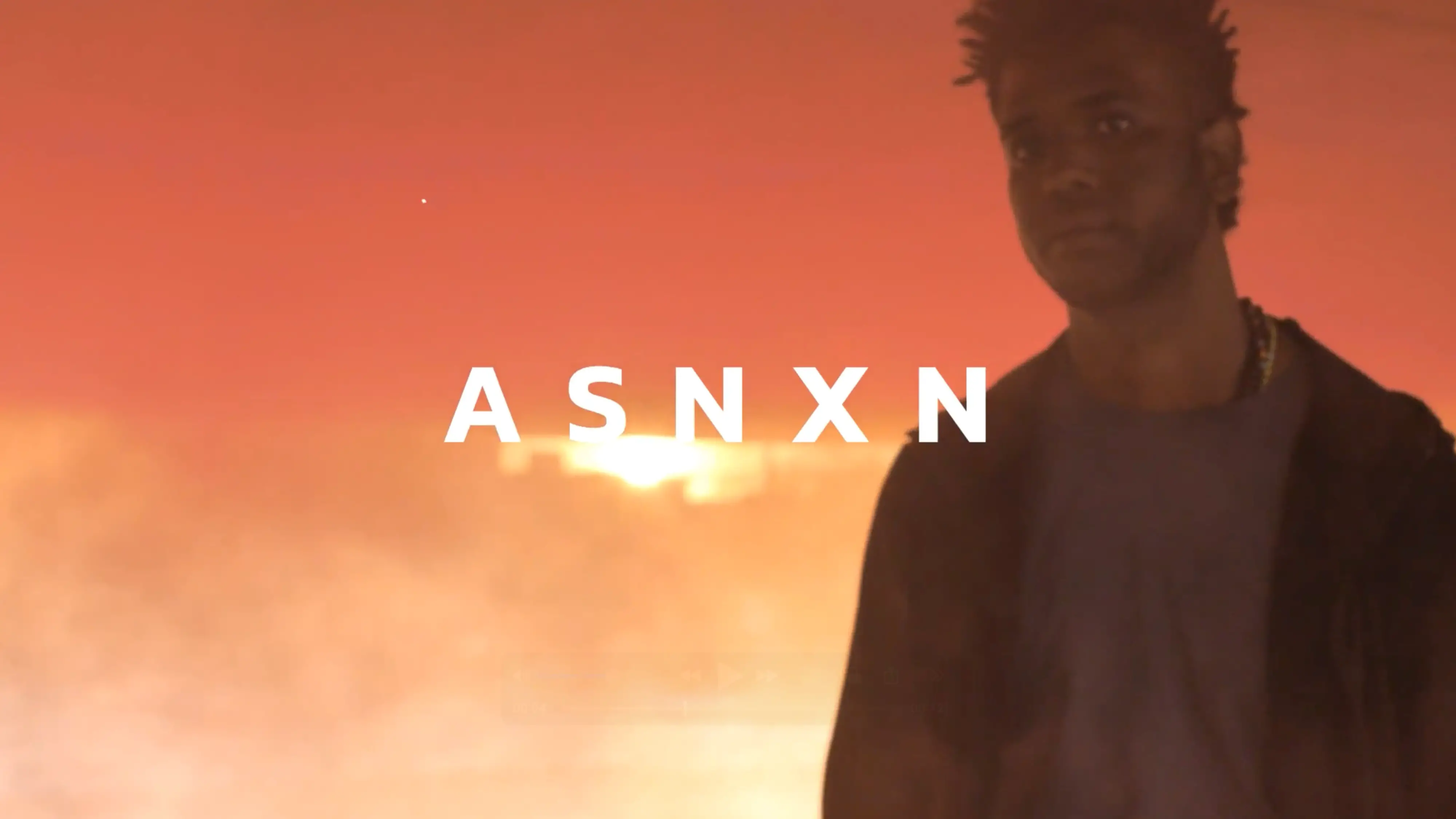
ASNXN
We delivered a focused campaign for ASNXN that successfully converted attention into sales, generating 4,000 product purchases. By combining clear messaging with strong creative direction, the campaign helped drive both demand and brand momentum.
2
Sydness Architects
We redesigned the Sydness Architects website and developed a refined brand identity. The result was a stronger digital presence and a threefold increase in website users, helping the studio reach a much wider audience.
3
MR Architecture and Interior
We elevated the branding and website for Mr Arch and Int to position the studio as a leading architecture and interior design firm in New York. The new identity communicates authority, sophistication, and a clear industry presence.
4
Let's explore the possibilities
Want to discuss how we can create value for your business?